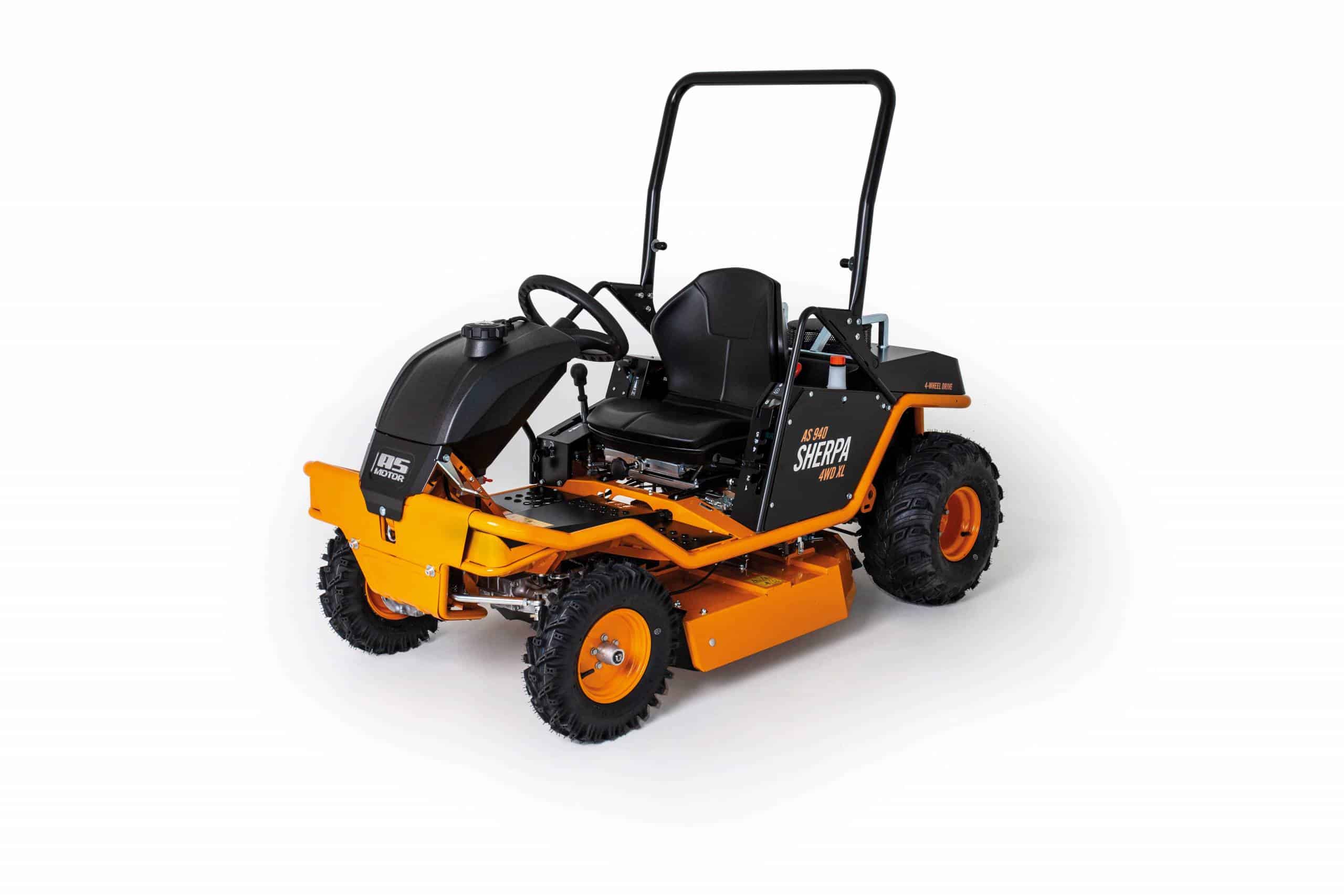
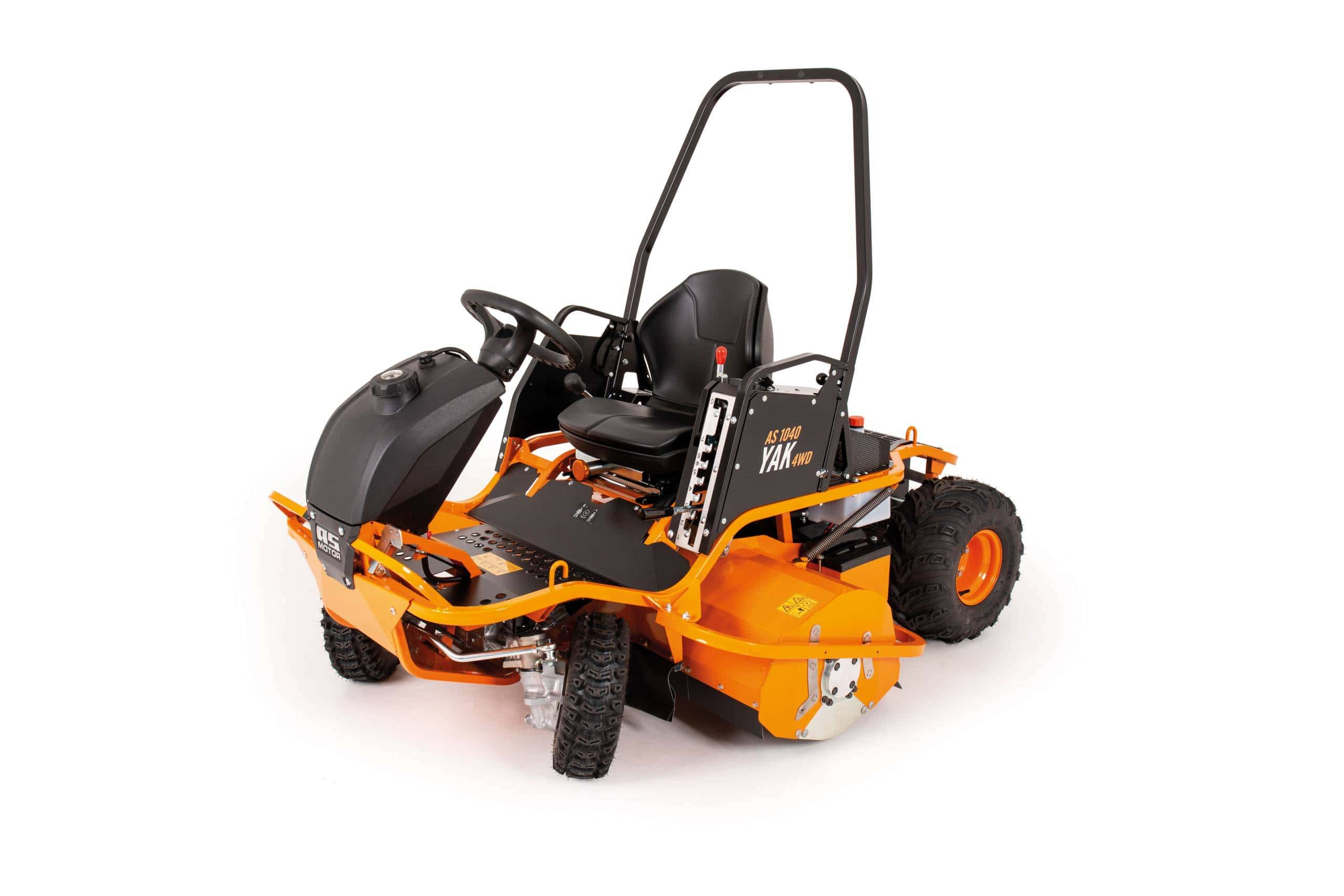
AS-Motor oferuje rozwiązania dla winnicarstwa
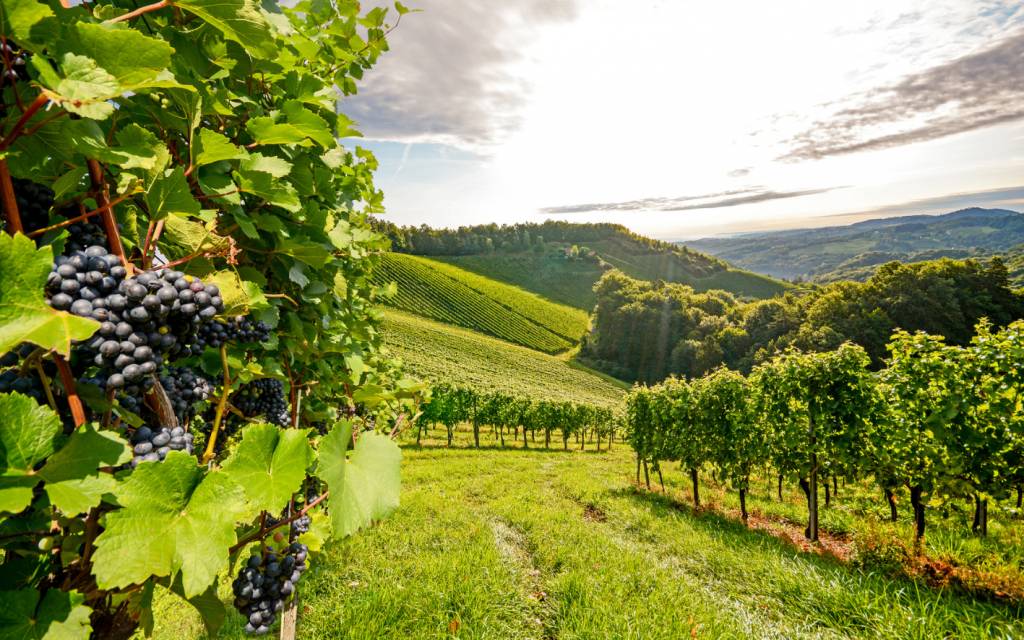
Uprawa i utrzymanie winnic, które wcześniej wymagały ciężkiej pracy ręcznej, zostały znacznie ulepszone dzięki technologii maszyn do pracy na pochyłościach firmy AS-Motor.
Uprawa winnic jest jedną z najstarszych praktyk rolniczych w historii ludzkości. Winnicarstwo nie jest więc tylko tradycją kulturową w wielu regionach, ale także stało się ważnym stylem życia. Zrównoważone winnicarstwo stało się coraz ważniejsze w ostatnich dziesięcioleciach – trwała pokrywa roślinna poprawia strukturę gleby i redukuje niebezpieczeństwo wymywania azotanów i erozji. Począwszy od produkcji pierwszej kosiarki AS-Motor Allmäher w 1961 roku, kosiarki AS-Motor są wyjątkowo przystosowane do pracy na stromych pochyłościach i gęstej roślinności w winnicach.
Przykłady zastosowań
Trwała i sezonowa pokrywa roślinna
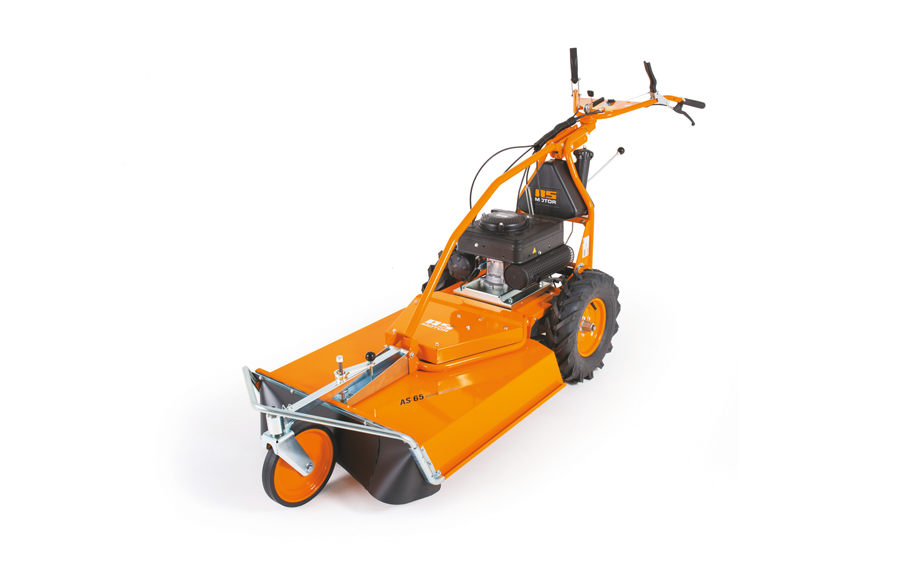
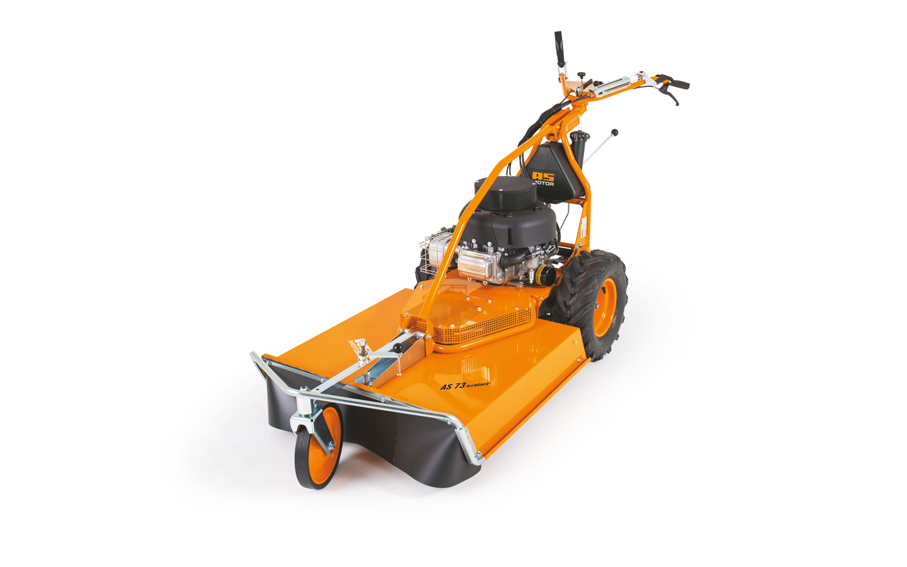
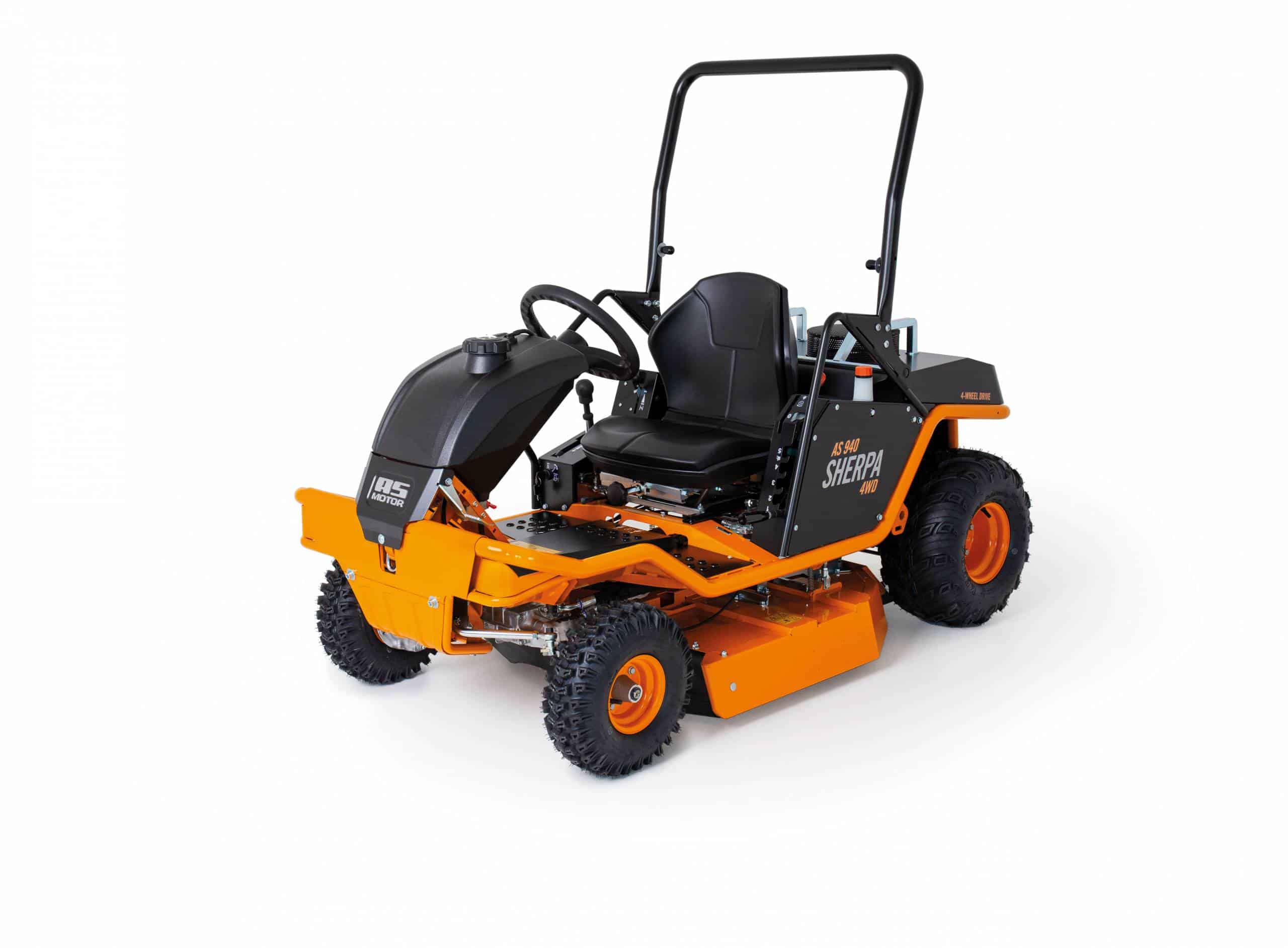
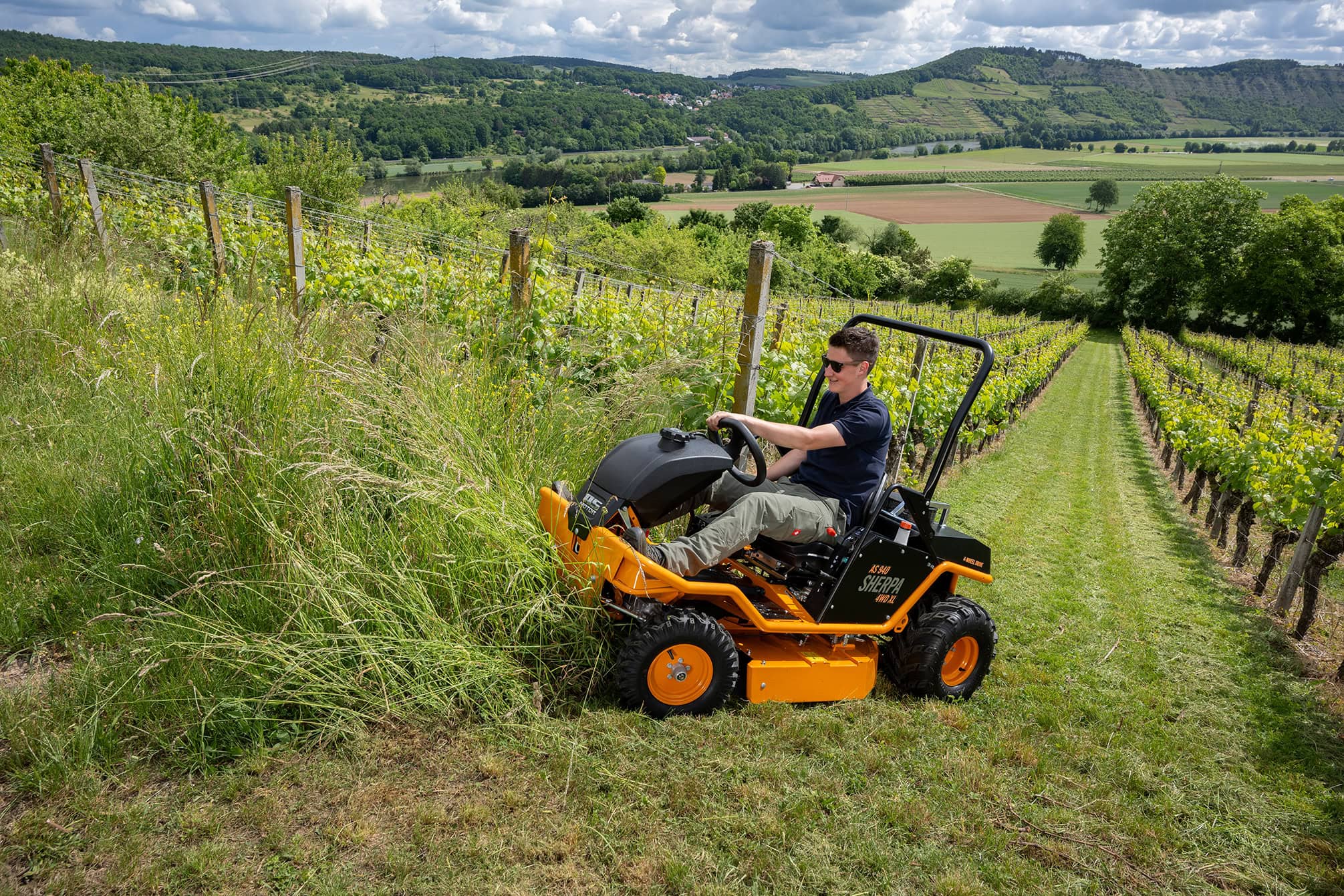
Winnice są uprawiane na pochyłościach w wielu regionach winiarskich na świecie. AS-Motor oferuje różne rozwiązania do koszenia na pochyłościach, w tym urządzenia do mulczowania na obszarach z szczególnie gęstą roślinnością.
Technologia mulczowania zapewnia solidną moc cięcia potrzebną do rozdrabniania gęstych winorośli i przycinania, zwracając mulcz do gleby jako przyswajalne składniki odżywcze.
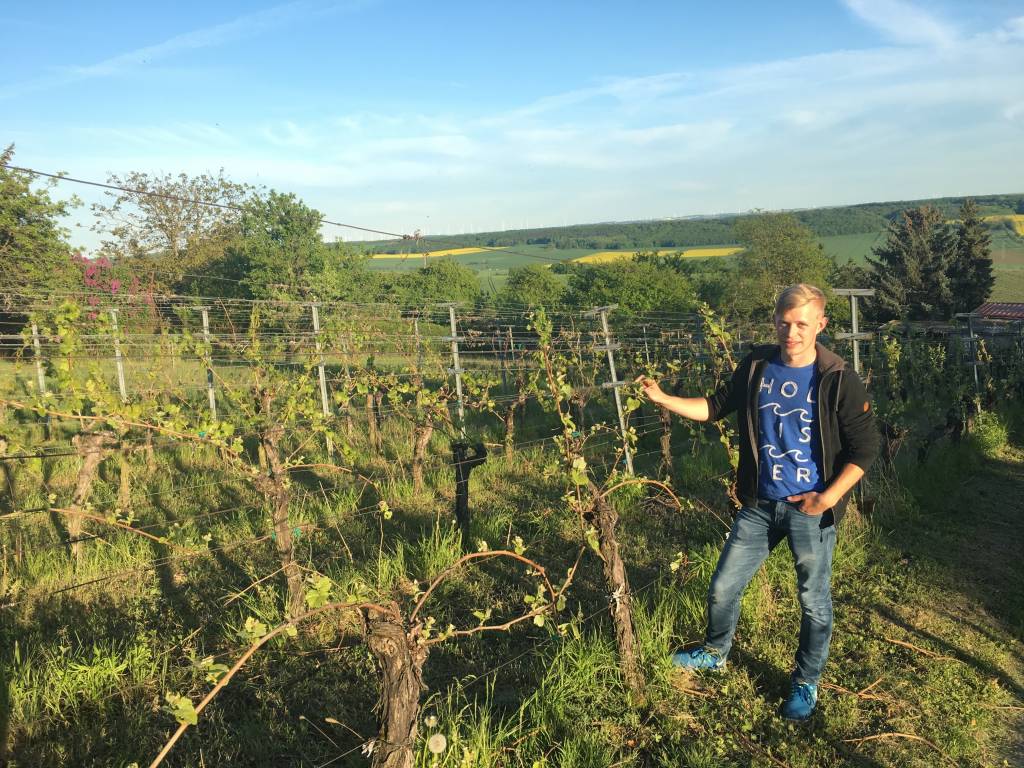
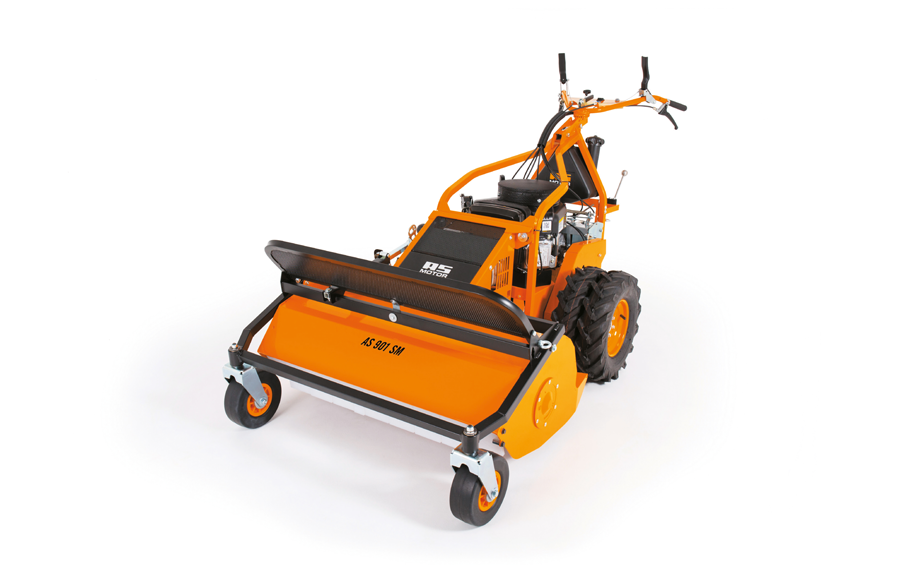
Za pomocą kosiarki bijakowej AS 901 koszę trawę i przycinam winorośle między rzędami jednocześnie. Oznacza to mniej pracy przy cięciu i brak potrzeby stosowania herbicydów.
– Martin Gehauf (Rolnik i winiarz, Freyburg, Niemcy)
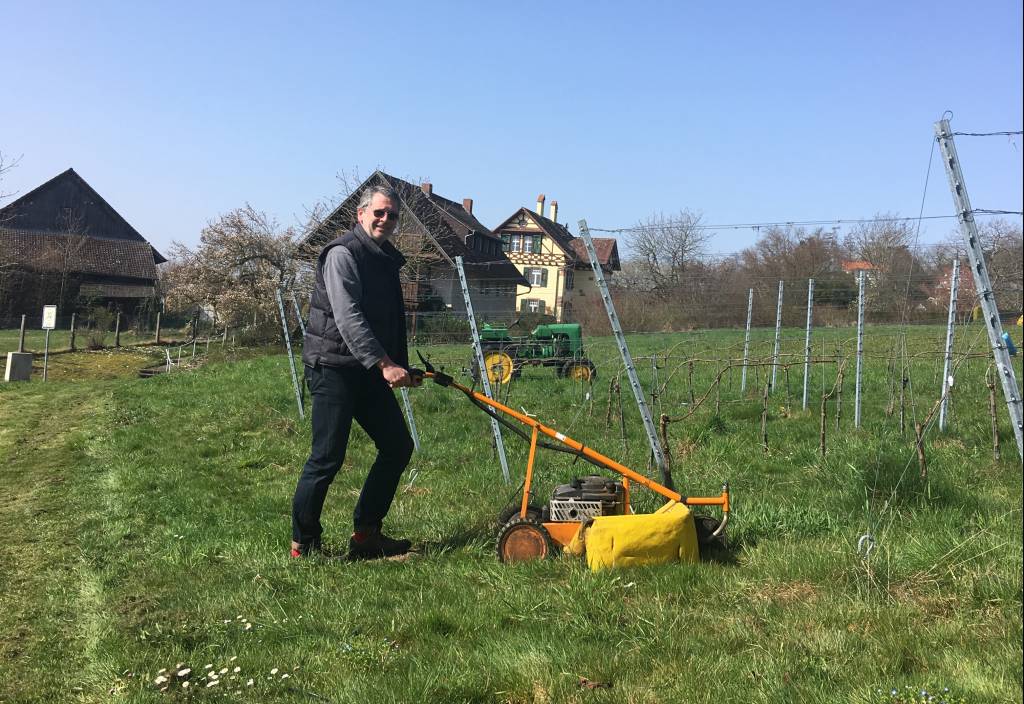
Unikamy chemicznej ochrony roślin i nadmiernego nawożenia w naszym winnicy… Od lat używamy kosiarki AS 21 i AS 28. Trójkołowe kosy są idealne, bardzo zwrotne i doskonale radzą sobie z wysoką trawą... Kosimy nasze stoki dwusuwowymi kosiarkami, dzięki czemu nie ma problemu ze smarowaniem silnika. Silnik od AS z sześcioma konmi mechanicznymi jest po prostu świetny i ma dużo mocy.
– Michael Horlacher (hobbysta-ogrodnik i hobbysta-winiarz ze Stuttgartu, Niemcy)
Categories
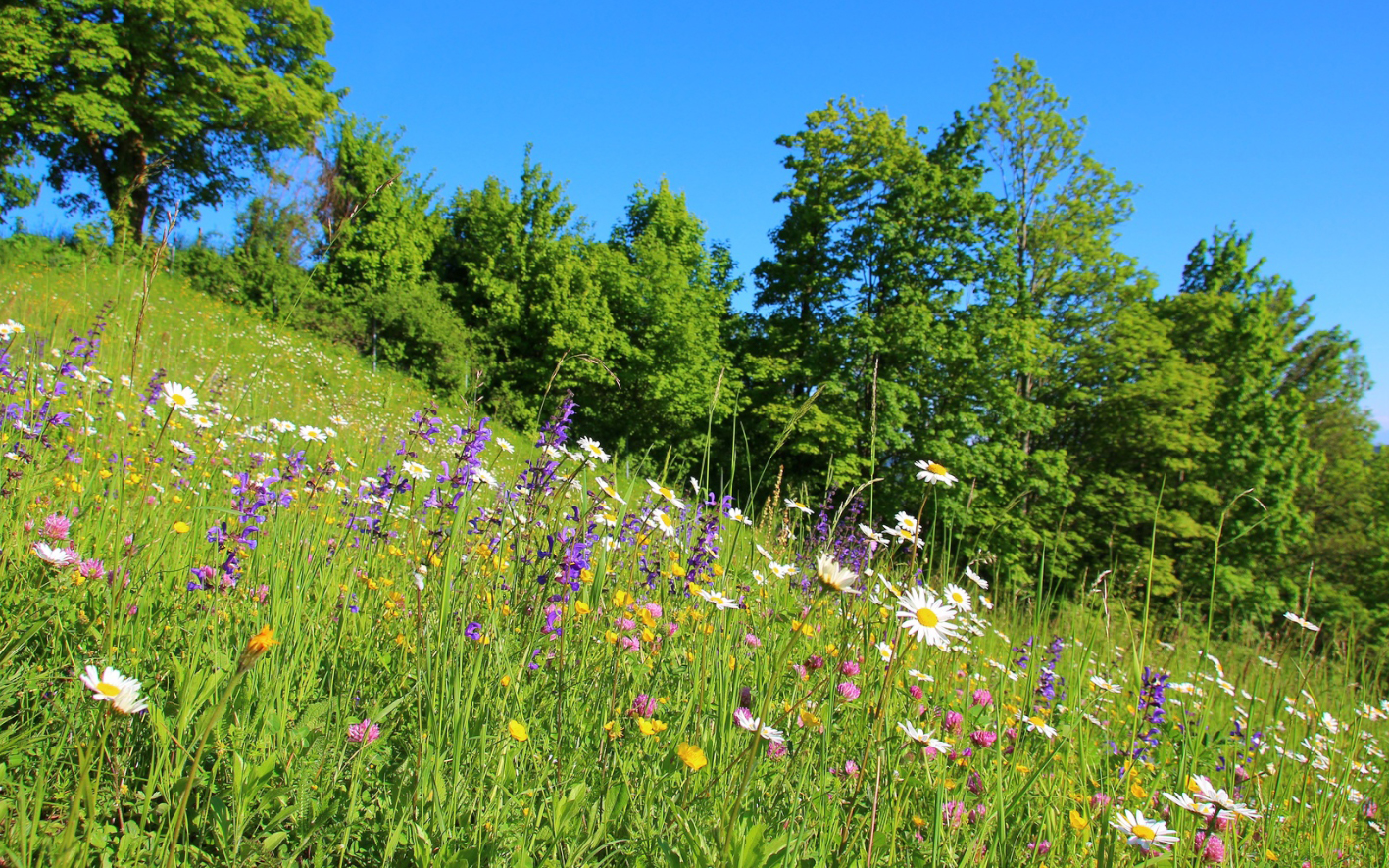
Flower meadows
Flower meadows are structurally rich habitats that are extremely important for insects, wild bees, and species that depend on flowers. The key is not to mow frequently, but to cut at the right time. Before the flowering phase, the vegetation can quickly reach heights of 30–40 cm. After that, maintenance is carried out at longer intervals, usually once or twice a year.
This form of extensive use requires machines that can safely cut tall, heterogeneous vegetation without putting unnecessary strain on the area. Clean cuts, controlled deposition, and an adapted driving style are essential for preserving plant populations and enabling regeneration.
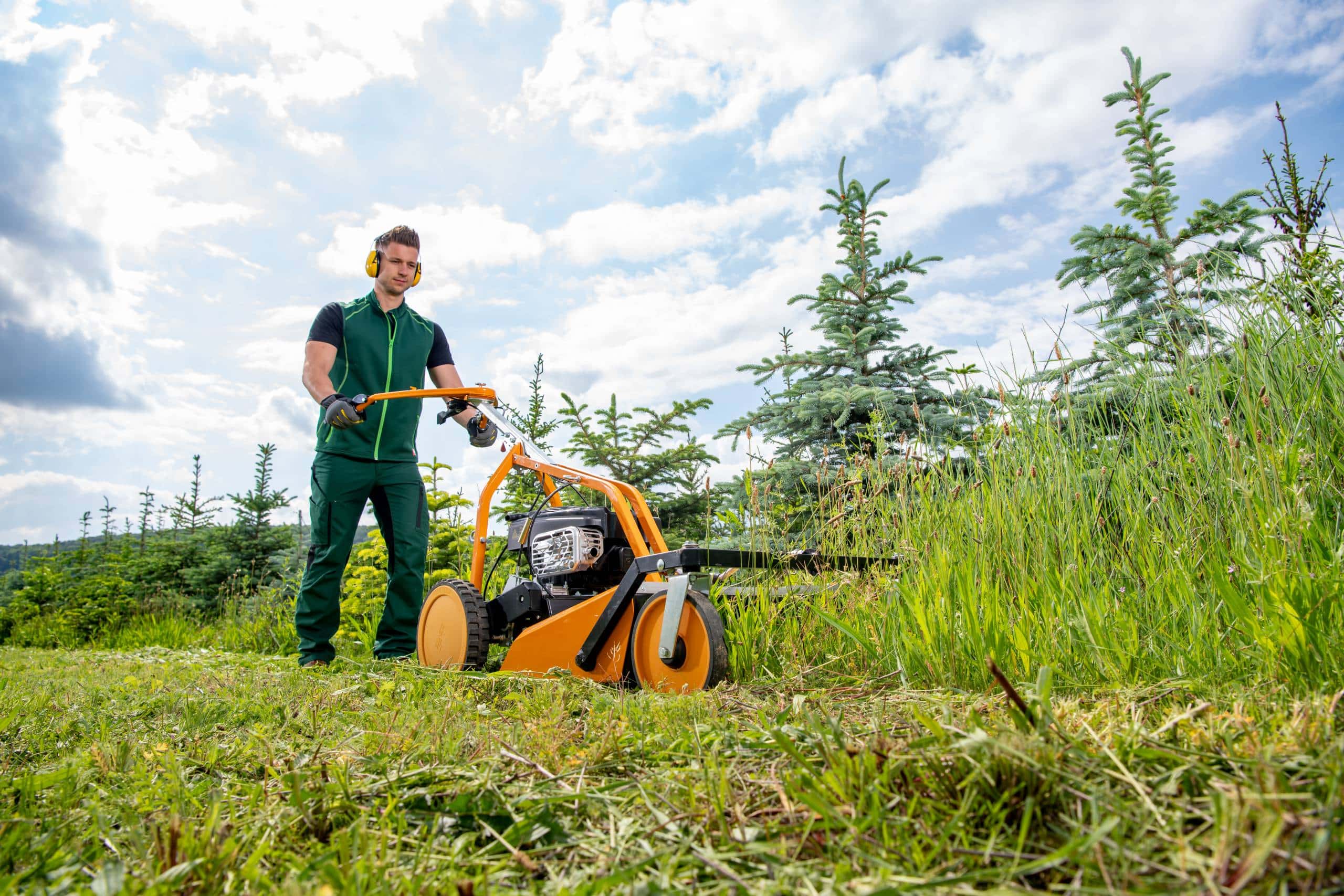
High meadow grass
Extensively used meadows such as orchards, compensation areas, or roadside greenery are deliberately mowed only once or twice a year. The vegetation reaches heights of 60 to over 100 cm and forms dense, structurally rich stands.
This form of maintenance serves to keep the area open and suppress woody plants, not to maintain the lawn. Machines with high throughput, uniform cutting performance, and controlled deposition of the cut material are required. This is the only way to efficiently manage large amounts of biomass without overloading the area or damaging the soil and vegetation.
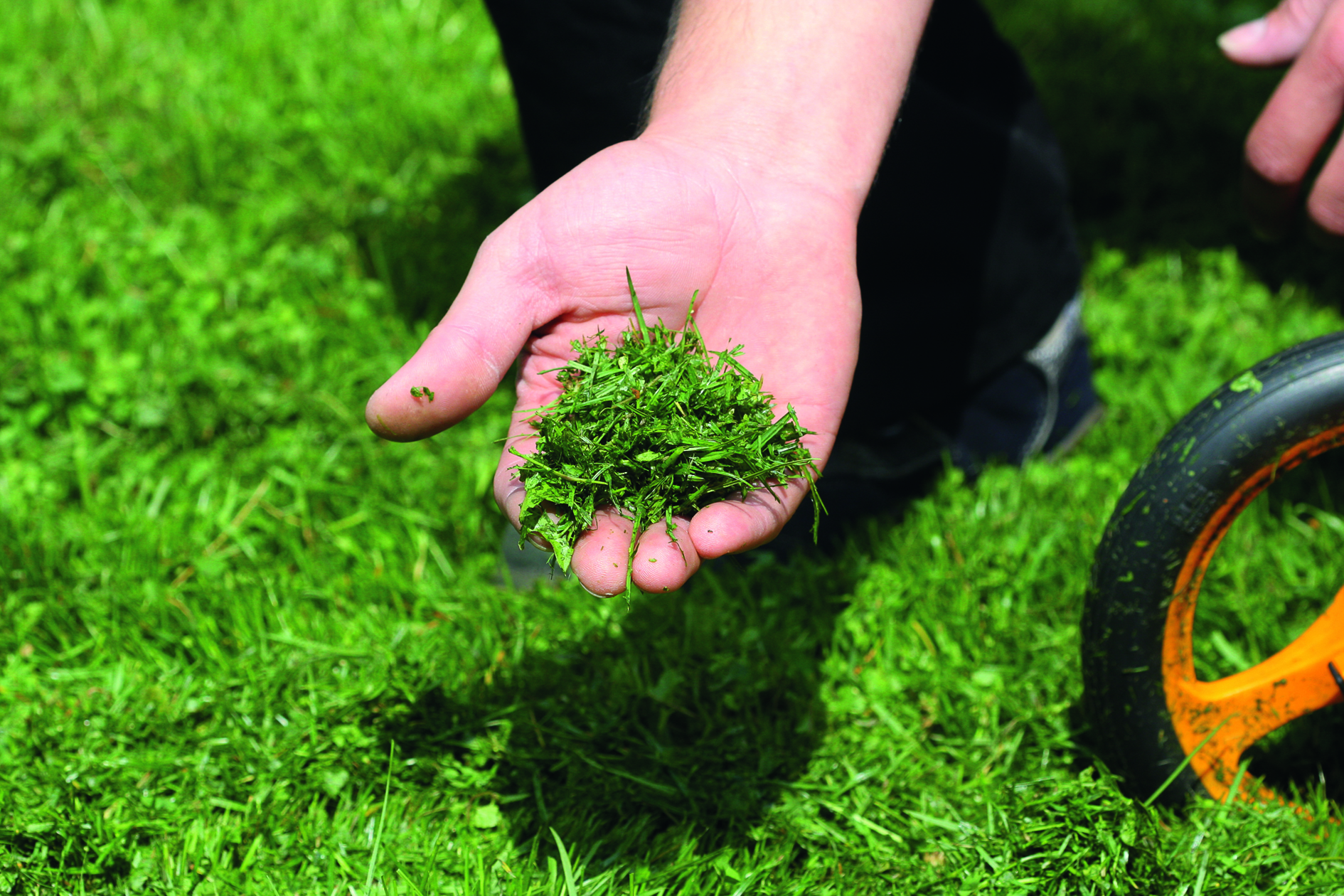
Mulching
Mulching is a process by which grass cuttings are shredded several times into a fine mulch, which then remains on the surface as natural fertiliser. Special mulching blades with a double cutting plane and a circular mulching unit are used on ornamental lawns, while cross-blade systems or flail mowers are primarily used in high grass.
Uneven terrain
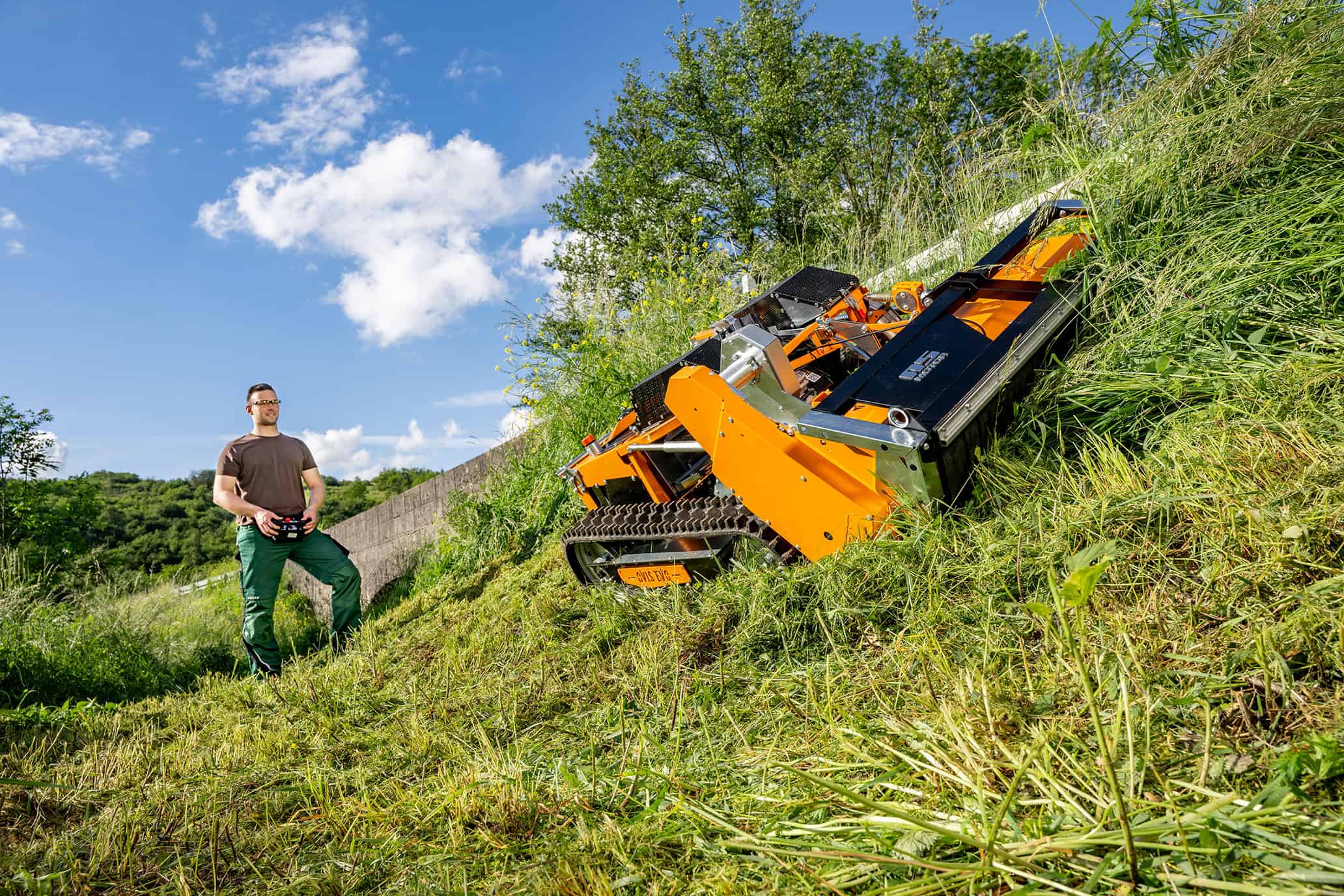
Animal burrows, anthills, mole hills and water channels cause uneven terrain. Several AS-Motor machines have high ground clearance, all-wheel drive and limited slip differential, along with appropriately studded field tyres, for uneven terrain.
Slopes
AS-Motor engineers machines with high ground clearance, steep ramp angles, low overall weight, optimal weight distribution and a low centre of gravity to perform on slopes.
All-wheel drive
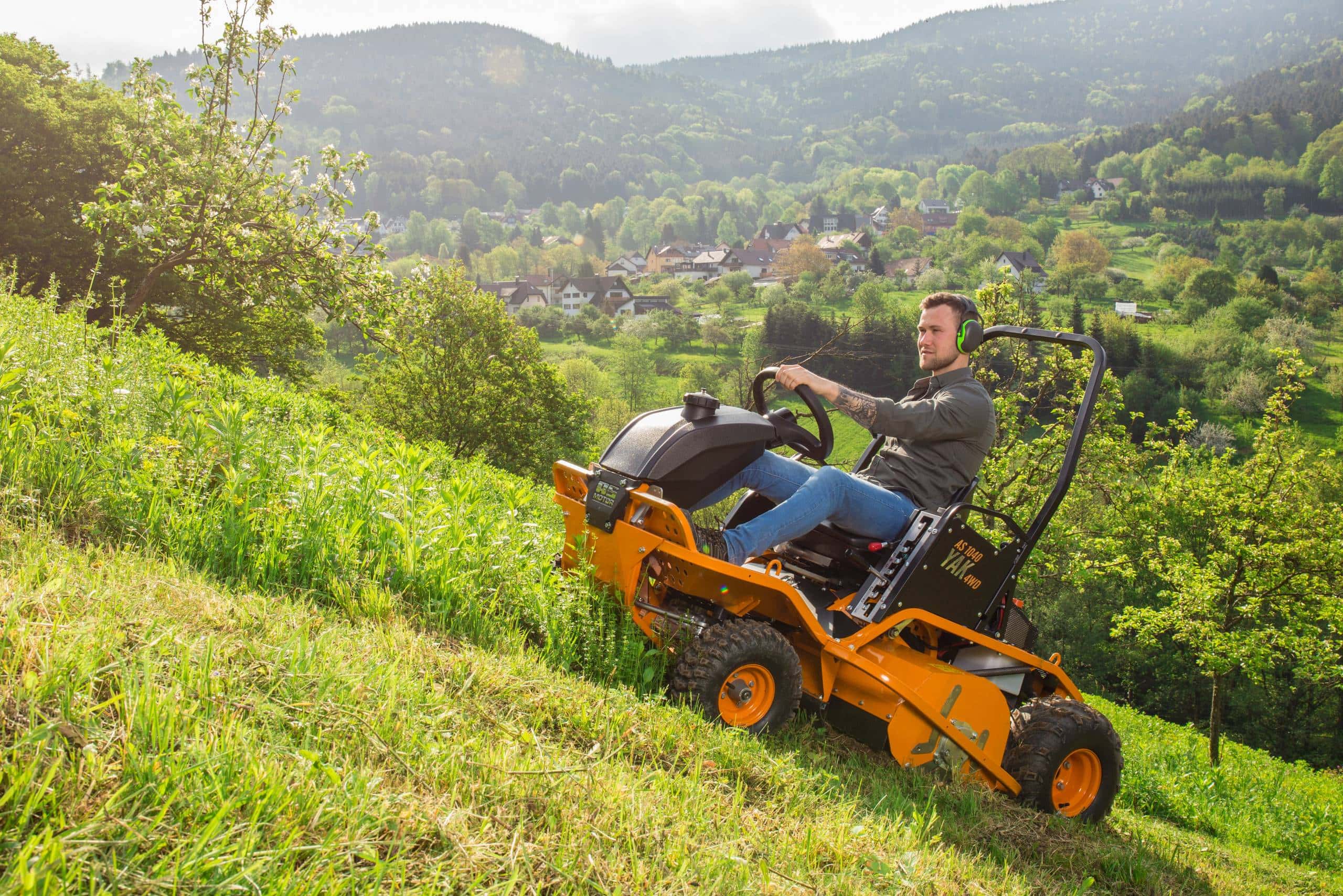
All-wheel drive not only ensures performance on inclines over 30 degrees, but also a high level of safety for travel downhill. All-wheel drive delivers propulsion in wet conditions and on uneven terrain – even if the wheels of one axle no longer have traction.